020 8214 1364 | 020 8214 1001




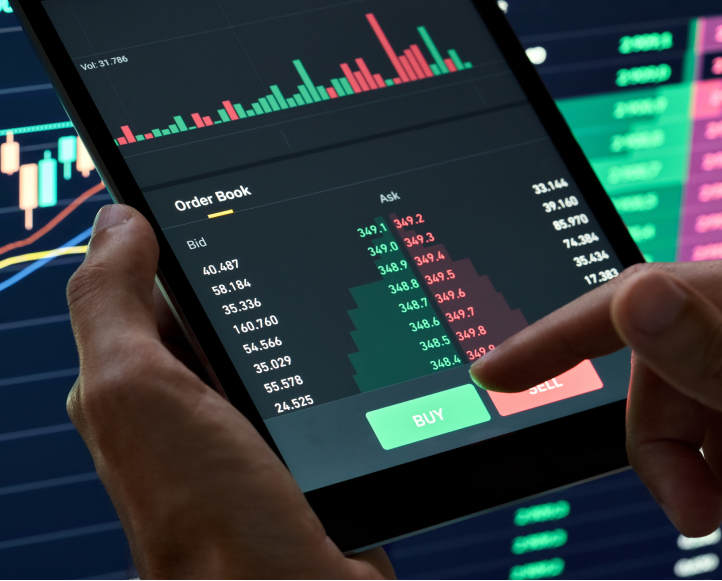
The world of cryptocurrency trading is dynamic and ever-changing, making it essential for traders to conduct thorough crypto trading analysis. Understanding market trends, analyzing price movements, and implementing effective trading strategies can be the difference between success and failure in this highly volatile environment. In this article, we will dive deep into various aspects of crypto trading analysis, explore different methodologies, and provide practical tips to enhance your trading performance. We also recommend visiting Crypto Trading Analysis https://blockchainwelt.de/blockchain-education-alliance-gewinnt-namhafte-mitglieder/ for further insights into the broader blockchain educational initiatives.
Crypto trading analysis serves as a roadmap for traders navigating the complex cryptocurrency landscape. Unlike traditional markets, cryptocurrencies are influenced by a myriad of factors including technology advancements, market sentiment, regulatory changes, and macroeconomic trends. By conducting a comprehensive analysis, traders can make informed decisions, manage risks, and seize profitable opportunities.
There are two primary types of analysis in the crypto trading world: fundamental analysis and technical analysis.
Fundamental analysis involves examining the underlying value of a cryptocurrency by evaluating various factors such as its technology, development team, use case, market demand, and competition. This method helps traders determine whether a cryptocurrency is overvalued or undervalued based on intrinsic values. Key components of fundamental analysis include:
Technical analysis focuses on price movements and trading volumes to predict future price trends. Traders utilize charts, patterns, indicators, and trading volumes to analyze historical data and forecast potential movements. Some popular tools and indicators include:

Candlestick patterns are an essential aspect of technical analysis. These patterns can provide insights into market psychology and help traders anticipate potential price movements. Some commonly observed patterns include:
Understanding market sentiment is crucial in crypto trading, as it often leads to price movements. Traders frequently analyze social media platforms, news outlets, and forums for mentions of specific cryptocurrencies to gauge sentiment. Tools like the Fear and Greed Index can provide insights into market emotions, helping traders make more informed decisions.
A well-defined trading strategy is essential for successful crypto trading. Here are some critical components to consider when developing your strategy:
Crypto trading analysis is a multifaceted approach that combines both fundamental and technical analyses to navigate the complex world of cryptocurrency trading. By understanding market trends, utilizing various analytical tools, and developing a robust trading strategy, traders can considerably improve their chances of success in the ever-evolving cryptocurrency market. Continuous education, combined with hands-on experience, will pave the way for competent and informed trading decisions.
As the crypto market continues to mature, staying abreast of emerging trends and technologies will become increasingly important. Whether you’re a novice trader or an experienced investor, committing to in-depth crypto trading analysis can help you unlock the full potential of this exciting and lucrative market.